

Revolutionizing App Development: The Power of Hybrid Mobile Applications
Description:
In today's digital era, mobile applications have become an integral part of our daily lives, serving various purposes from entertainment to productivity. With the ever-growing demand for mobile apps, businesses are constantly seeking efficient and cost-effective solutions to reach their target audience across different platforms.
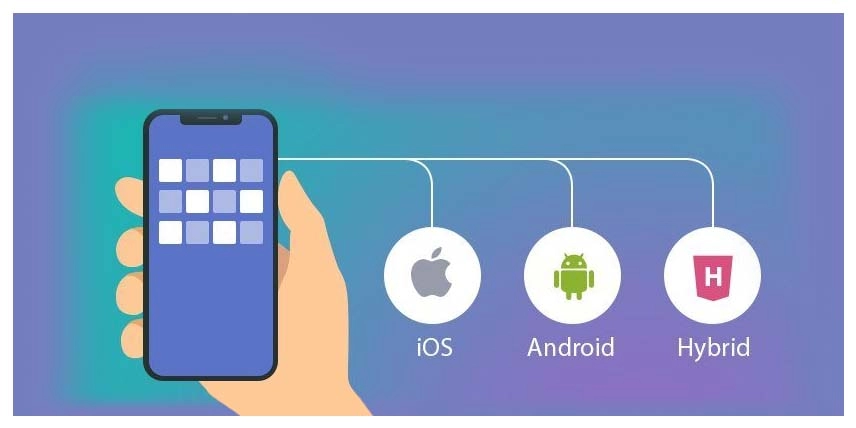
Hybrid mobile application development has emerged as a revolutionary approach, combining the best of both worlds: the flexibility of web technologies and the performance of native apps. Unlike traditional native app development, which requires separate codebases for each platform (iOS, Android, etc.), hybrid apps utilize web technologies such as HTML, CSS, and JavaScript to create a single codebase that can run on multiple platforms.
The key advantage of hybrid apps lies in their ability to streamline the development process and reduce time-to-market. By leveraging frameworks like Ionic, React Native, or Xamarin, developers can build cross-platform apps with native-like performance and user experience. This not only saves valuable time and resources but also ensures consistency across different devices and operating systems.
Furthermore, hybrid apps offer seamless integration with device features and APIs, allowing developers to access native functionalities like camera, geolocation, or push notifications. This enables the creation of feature-rich applications that provide a native-like experience to users, without sacrificing compatibility or performance.
Another benefit of hybrid app development is easier maintenance and updates. Since there's only one codebase to manage, developers can quickly implement changes and push updates across all platforms simultaneously. This ensures that users always have access to the latest features and improvements, enhancing user satisfaction and engagement.
Moreover, hybrid apps are highly scalable, making them ideal for businesses of all sizes. Whether you're a startup looking to launch your first app or a large enterprise seeking to expand your digital presence, hybrid development offers a cost-effective solution that can scale with your growth.
In conclusion, hybrid mobile application development represents a game-changing paradigm in the world of app development. By combining the efficiency of web technologies with the performance of native apps, hybrid apps offer a compelling solution for businesses looking to reach a wider audience across multiple platforms. With its myriad benefits including faster development cycles, native-like performance, and easier maintenance, hybrid app development is poised to revolutionize the way we build and deploy mobile applications.
It is a long established fact that a reader will be distracted by the readable content of a page when looking at its layout.
A hybrid mobile application is a type of mobile app that combines elements of both native and web applications. It's built using web technologies like HTML, CSS, and JavaScript, then wrapped in a native container that allows it to be installed and run on various mobile platforms (such as iOS and Android). This approach enables developers to write code once and deploy it across multiple platforms, saving time and resources.
Hybrid app development offers several benefits, including: Cross-platform compatibility: Since hybrid apps are built using web technologies, they can run on multiple platforms with minimal adjustments. Cost-effectiveness: Developing a single codebase for multiple platforms reduces development costs compared to building separate native apps for each platform. Faster development cycles: With a single codebase, developers can make updates and changes more efficiently, speeding up the development process. Access to device features: Hybrid apps can access device features like cameras, GPS, and push notifications, providing a native-like user experience.
While hybrid app development offers many advantages, it also has some limitations, such as: Performance issues: Hybrid apps may not perform as well as native apps, especially for graphics-intensive or CPU-intensive tasks. Limited access to native APIs: While hybrid apps can access some device features, they may not have access to all native APIs, leading to limitations in functionality. User experience inconsistencies: Since hybrid apps rely on web technologies, they may not always provide a consistent user experience across different platforms and devices. Dependency on third-party frameworks: Hybrid app development often relies on frameworks like Cordova or Ionic, which may introduce dependencies and limitations.
Years Experience
Projects Done
Happy Clients
Expert Members
RNA Infotech India's clients consistently praise their exceptional service, creativity, and dedication to delivering outstanding web solutions.

"RNA Infotech's financial software solutions have revolutionized the way we manage our finances. The custom software they developed for us is not only user-friendly but also incredibly robust. It has streamlined our financial reporting process, saving us valuable time and resources."

"Choosing RNA Infotech was one of the best decisions we made for our e-commerce platform. Their e-commerce solutions have not only enhanced our website's performance but also significantly boosted our conversion rates. Their prompt support and innovative approach set them apart in the industry."

"RNA Infotech has been an invaluable partner in our journey towards technological advancement. Their team's expertise and dedication have propelled our business to new heights. The seamless integration of their solutions has streamlined our operations, resulting in improved efficiency and productivity."

RNA INFOTECH
Online👋 Hi there
How can I help you today?
Please Provide Details below:
Your Name:
Requirements: